November 20, 2026
Choosing the right well pump is an important part of maintaining a reliable water supply for your home. A pump that is too small may struggle to keep up with household demand, while one that is too large can lead to unnecessary energy use, pressure fluctuations, and premature equipment wear. Contractors consider several factors before recommending a pump, including the well's depth, water production rate, household size, plumbing system, and daily water needs. These details help determine how much water the pump must deliver and how much pressure it needs to maintain. Working with an experienced water well company can help homeowners select equipment that fits their property's specific requirements.
Evaluating Household Water Demand
One of the first things contractors consider is how much water a household uses throughout the day. The number of residents provides a starting point because larger households generally require more water for bathing, cooking, laundry, cleaning, and other activities. However, the number of people living in the home is not the only consideration. Contractors also ask about water-intensive appliances, irrigation systems, outdoor faucets, and other fixtures that may operate simultaneously. A home with several bathrooms and frequent laundry loads may have different requirements than a smaller property with fewer fixtures. Professionals estimate the household's peak demand to determine how many gallons per minute the pump should supply. A knowledgeable water well company uses these details to avoid recommending equipment that cannot keep up with normal usage. Properly matching the pump to household demand helps maintain consistent water availability without placing unnecessary strain on the system.
Measuring the Well's Depth and Water Level
The physical characteristics of the well play a major role in determining which pump is appropriate. Contractors measure or review the well's total depth, static water level, and pumping water level before making a recommendation. The static water level refers to the depth of the water when the pump is not operating. The pumping water level describes how far the water drops while the pump is running and drawing water from the well. These measurements help professionals understand how much work the pump must perform to move water to the surface. Deeper wells generally require equipment designed to handle greater lifting demands. A water well company also considers the distance between the well and the home because the water must travel through the distribution system before reaching household fixtures. Accurate measurements help contractors select a pump with the appropriate capacity and performance characteristics.
Determining the Well's Recovery Rate
A well's recovery rate describes how quickly water enters the well after it has been drawn out. This measurement is important because even a powerful pump cannot provide a dependable supply if the well does not replenish water quickly enough. Contractors may conduct a pumping test to evaluate how much water the well can produce over a specific period. The results help establish the well's sustainable yield and show whether it can support the household's expected demand. If a pump draws water faster than the well can recover, the water level may fall too low during extended use. This can cause the pump to lose its water supply or trigger protective equipment designed to prevent dry running. An experienced water well company considers the recovery rate when determining the pump's flow capacity. Matching the pump to the well's production helps reduce operating problems and supports a more consistent supply.
Selecting the Appropriate Pump Type
Different well configurations require different types of pumps, so contractors first identify the system installed on the property. Submersible pumps are commonly used in deeper wells because they operate below the water level and push water toward the surface. Jet pumps are generally used for shallower applications and rely on suction to move water through the system. The appropriate option depends on the well's depth, water level, required flow rate, and installation conditions. Contractors also consider the existing equipment when replacing an older pump because the current setup may affect compatibility. A water well company can explain the differences between available pump types and recommend an option suited to the property's needs. Choosing the correct design helps ensure the equipment can move water efficiently without operating outside its intended capabilities. The decision should be based on actual well conditions rather than assuming one pump style works for every property.
Calculating the Required Flow Rate
Flow rate refers to the amount of water a pump can deliver over a given period, commonly measured in gallons per minute. Contractors estimate the required flow by considering how many fixtures may be used at the same time. For example, a household may need enough water to run a shower while a washing machine or kitchen faucet is also operating. Irrigation systems and other outdoor uses can increase peak demand, particularly during warmer months. However, selecting a pump with an unnecessarily high flow rate can create problems if the well cannot sustain that output. Professionals compare the household's estimated demand with the well's production capacity before choosing the equipment. A water well company also considers how the pump will perform under typical operating conditions rather than relying solely on its maximum advertised output. This calculation helps create a balance between household convenience, well capacity, and equipment performance.
Matching Pump Horsepower and Pressure Requirements
Horsepower is another factor contractors evaluate when selecting a well pump. It describes the motor's power, but a higher horsepower rating does not automatically mean a pump is the best choice for a particular home. The required horsepower depends on factors such as pumping depth, flow rate, pressure needs, and the system's overall design. Contractors also calculate the total dynamic head, which accounts for the vertical lift and resistance the water encounters as it moves through pipes and fittings. Household pressure requirements are important because the pump must deliver water at a level that allows fixtures and appliances to operate properly. A water well company evaluates these measurements together to identify equipment capable of meeting the home's needs. Selecting the right combination of horsepower and pressure capacity helps prevent inadequate delivery and unnecessary energy consumption. Proper sizing also supports more consistent performance during periods of higher household demand.
Considering the Pressure Tank and Plumbing System
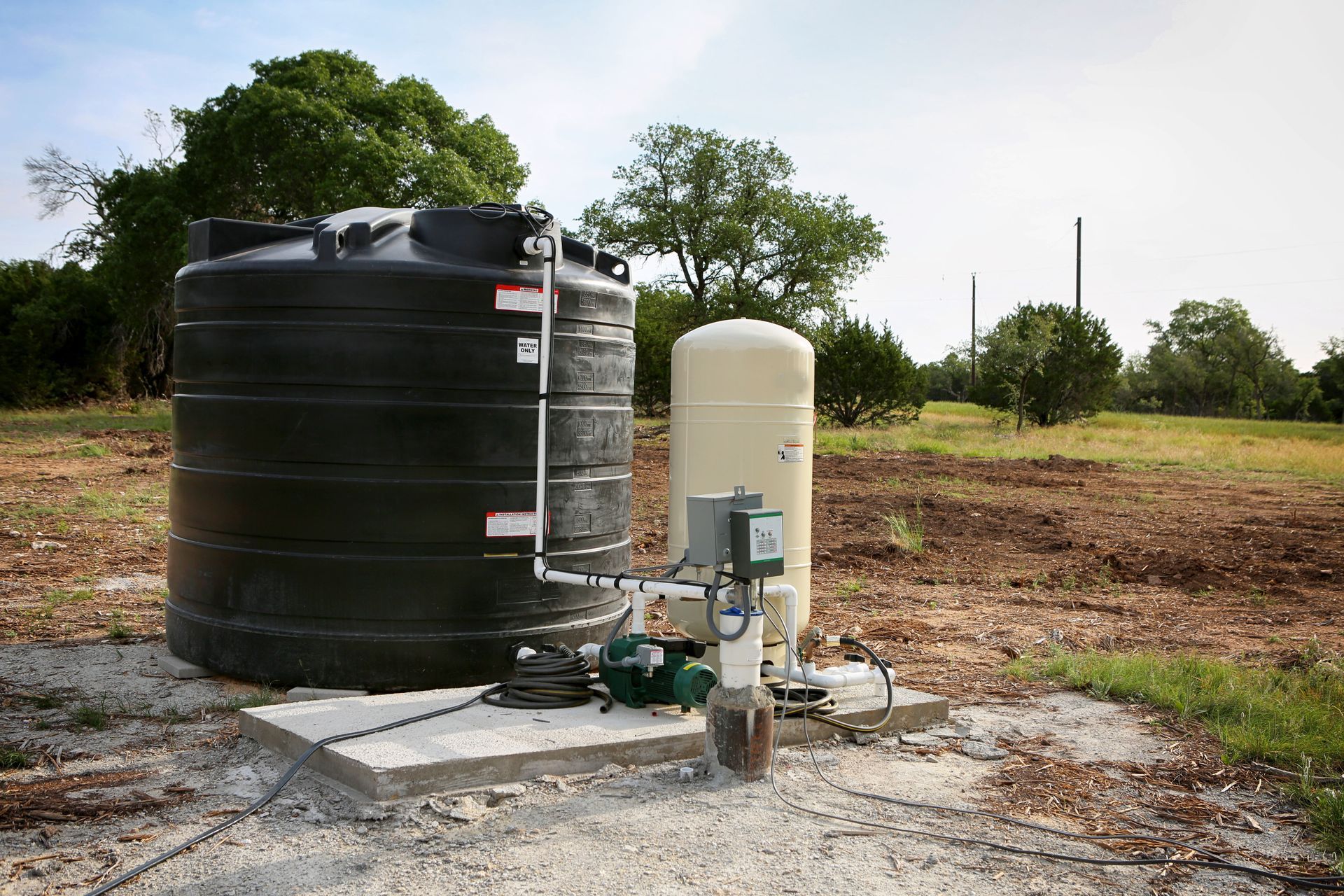
The pump does not operate independently of the rest of the well system. Contractors also inspect the pressure tank, pressure switch, piping, and other components that influence how water reaches the home. The pressure tank stores a reserve of pressurized water and helps reduce how frequently the pump turns on and off. If the tank is undersized or malfunctioning, the pump may cycle too often, increasing wear on the motor and other components. Plumbing diameter and pipe condition can also affect water movement and pressure throughout the property. Professionals check whether the existing system is compatible with the proposed pump and identify any adjustments that may be necessary. A water well company can evaluate these components together instead of treating pump replacement as an isolated task. This whole-system approach helps ensure that the new equipment works properly with the home's existing water distribution setup.
Planning for Long-Term Pump Performance
Contractors consider more than immediate water demand when recommending a well pump. They also look at the equipment's expected workload, installation conditions, maintenance requirements, and potential operating costs. A properly sized pump should meet the home's needs without constantly running beyond its intended capacity. According to HomeAdvisor, a well pump can typically last between 8 and 15 years when it receives regular maintenance. This range shows why proper installation and ongoing care are important parts of getting dependable service from the equipment. Contractors may discuss routine inspections, pressure tank checks, and signs of pump trouble that homeowners should monitor. A dependable water well company can also explain how operating habits and water conditions may influence equipment performance over time.
The right well pump should provide enough water for everyday activities while working within the well's natural production limits. By evaluating household demand, well depth, recovery rate, flow requirements, and pressure conditions, contractors can recommend equipment that fits the property. Proper sizing also helps reduce unnecessary strain and supports reliable performance over time. For assistance selecting, installing, or maintaining a well pump, contact Wragg Well Company to discuss your property's water needs and schedule professional service.