September 3, 2026
Taking a shower only to experience a weak trickle of water is one of the most frustrating experiences for any homeowner. Private well systems provide independence from municipal water bills, but they also mean you are responsible for maintaining your own plumbing infrastructure. When water pressure suddenly drops or fluctuates wildly, it is easy to assume the worst. However, many common causes of low pressure can be easily identified and resolved with a bit of methodical troubleshooting. Understanding how your well system functions is the first step toward getting your household water flowing smoothly once again.
Understanding the broader market context highlights just how reliant many households are on private water infrastructure. According to IBISWorld, market size for water well drilling services across the U.S. expanded 1.7% in 2025. This steady growth reflects an ongoing demand for rural and suburban residential water development. With so many properties relying on private wells, routine maintenance and basic troubleshooting have become essential skills for property owners. Before calling local water well and drilling companies for a costly service visit, taking time to check a few primary components can save both time and money.
Identifying Common Causes of Low Water Pressure
A sudden drop in water pressure can stem from several distinct parts of your home system. The problem might be isolated to a single fixture, or it may affect every faucet across the entire property. Isolate the issue by testing multiple taps throughout the house, including both hot and cold lines. If low pressure occurs at only one sink, the cause is likely a clogged aerator or a localized pipe restriction. If every fixture suffers from low volume, the underlying issue resides within the central pressure tank, filter system, main supply lines, or the well pump itself.
It is also important to consider recent home changes or seasonal weather shifts. Increased household water demand during summer lawn care routines or a recent drought can temporarily lower the local water table, affecting well performance. Heavy mineral content in groundwater can slowly restrict pipe diameters over time, restricting overall flow. Recognizing whether your issue appeared overnight or developed gradually helps narrow down the probable causes. If environmental conditions or heavy groundwater mineral build-up are at play, professional evaluation by experienced water well and drilling companies may eventually be required.
Checking the Power Supply and Circuit Breakers
Before examining mechanical parts, always start troubleshooting with the electrical setup. Well pumps require a continuous and steady supply of electrical power to operate efficiently. A brief power surge or an overloaded circuit can trip the breaker dedicated to your well pump system, causing immediate pressure loss. Locate your home electrical panel and check whether the breaker assigned to the well pump or pressure control system has flipped to the middle or off position.
If the breaker has tripped, switch it back on firmly and observe the system. If it trips repeatedly after being reset, do not continue forcing it back on, as this indicates a serious electrical fault or a failing pump motor. Inspect any visible wiring leading to the pressure switch and control box for signs of damage or overheating. Persistent electrical issues or suspected pump motor failures should always be handed off to certified water well and drilling companies to avoid electrical hazards and severe equipment damage.
Evaluating the Pressure Tank and Pressure Switch
The pressure tank and pressure switch serve as the core management center for your well water system. The pressure switch monitors system pressure and signals the pump when to turn on and off. Located near the base of the tank, this switch contains small electrical contacts that can accumulate debris, insects, or corrosion over time. Inspect the switch with the power turned off, gently cleaning any visible corrosion from the contact points using fine sandpaper or a soft brush.
The pressure tank itself maintains consistent water pressure by using an internal rubber bladder filled with compressed air. When the air pressure inside this tank drops too low, the pump will cycle on and off rapidly, a condition known as short-cycling. To test your pressure tank, turn off the pump breaker, drain all water from the tank using a drain valve, and test the air valve on top of the tank with a standard tire pressure gauge. The air reading should typically be two pounds per square inch below the cut-in setting of your pressure switch. If air pressure is low, add air with a bicycle pump or compressor. If water spurts out of the air valve, the internal bladder has ruptured, and you will need to replace the tank or consult qualified water well and drilling companies for a replacement.
Inspecting Filtration Systems and Water Softeners
Whole-house water filtration units and water softeners are frequent culprits behind sudden pressure drops. As filters capture sediment, iron, and mineral debris, they gradually become clogged and restrict the volume of water entering your living spaces. A simple test to determine if your filtration system is causing the restriction is to temporarily set your water softener or filtration unit to its manual bypass mode.
Once the system is bypassed, open a faucet and check if normal pressure returns immediately. If the flow improves, the solution is as simple as replacing the dirty filter cartridges or performing a manual backwash cycle on your water softening equipment. Regularly replacing filters and maintaining softening media prevents sediment buildup from reaching your indoor plumbing lines. If bypassing these systems does not resolve the issue, the restriction lies deeper within your pump lines or well casing, making it an ideal time to contact reputable water well and drilling companies.
Inspecting Clogged Fixtures and Plumbing Lines
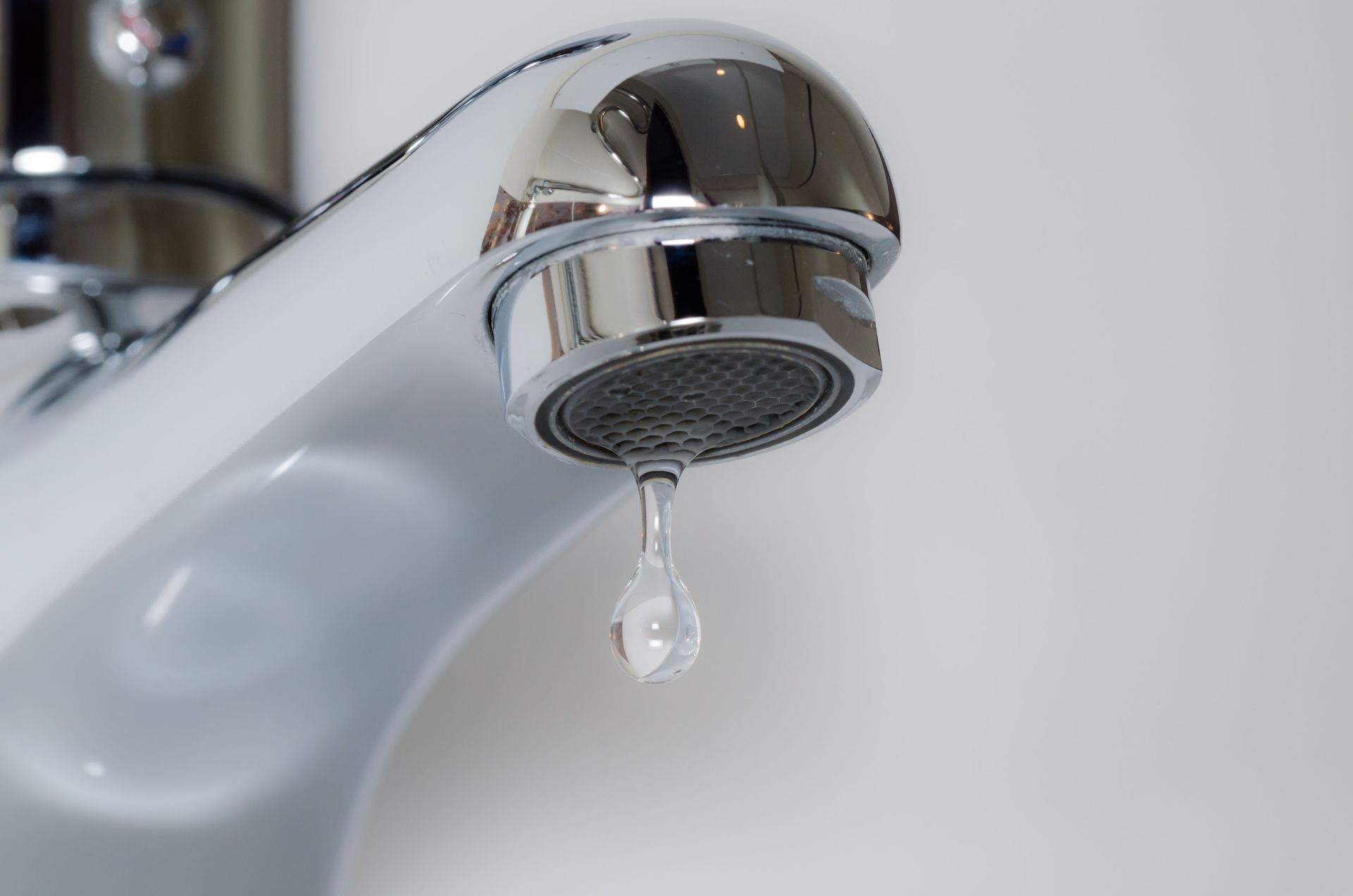
Sometimes the source of poor pressure is located right at the tap. Faucet aerators are small mesh screens screwed onto the tips of spouts to shape water flow and conserve water. Mineral scale, sediment, and rust particles can easily collect behind these screens, blocking water movement. Unscrew the aerators from affected faucets, clear out trapped sediment, soak them in vinegar to dissolve hard water scale, and reinstall them.
Galvanized steel pipes in older homes are also notoriously prone to interior corrosion and mineral buildup, which narrows the inner diameter of the pipes over time. While cleaning individual aerators provides a quick fix for isolated faucets, widespread pipe corrosion inside the home requires systemic plumbing repairs. If individual fixtures remain weak despite clean aerators and clear filters, your overall well yield or subsurface line integrity may be compromised, warranting professional testing by certified water well and drilling companies.
Knowing When to Call Professional Technicians
While basic troubleshooting resolves many minor pressure issues, complex mechanical and geological challenges demand expert service. Attempting complex repairs on deep submersible pumps or electrical control panels without proper training can lead to costly equipment damage or safety risks. If you have checked your electrical panel, pressure switch, air bladder, and filters without success, the problem may involve a failing pump, a leaking drop pipe inside the well, or a declining water table.
Skilled water well and drilling companies possess specialized diagnostic equipment to measure pump performance, test groundwater flow rates, and inspect deep well casings. Professional technicians can perform flow tests to determine whether your well yields sufficient water and recommend appropriate remedies, such as deepening the well, installing a constant pressure system, or replacing aging hardware. Prompt professional intervention ensures your home maintains a reliable, clean, and strong water supply for years to come.
Living with low water pressure does not have to be your daily reality. By systematically checking your circuit breakers, pressure switch, air tank, and filtration units, you can resolve minor glitches and get your water flowing normally again. However, when basic troubleshooting uncovers deeper equipment failures or declining well performance, turning to experienced professionals is the safest and most efficient path forward.
If you are experiencing persistent water pressure woes and need trusted local experts to restore your system, reach out to Wragg Well Company today to schedule a comprehensive evaluation and get your well running at peak performance.